What Happened Back in January 2008 with iPhone OS 1.1.3 and Web Clips
If you’ve been around the web and iPhone ecosystems for a while, you may recall the buzz around early iPhone OS 1.1.3 home screen behavior, specifically the launch of “Web Clips.” This pivotal moment in January 2008 quietly shaped how Apple and the wider mobile web community would think about add website icon iPhone capabilities and app-like experiences without native apps.
In this deep dive, we’ll peel back the layers of early Safari web apps on Apple’s iPhone and iPod Touch, focusing on the introduction of Safari 26 (the internal version behind iPhone OS 1.1.3), the advent of Web Clips, and how these features influenced web app installability and user experience. Plus, we'll explore why even today, manifests and Service Workers remain central for putting the “app” in web apps.
The State of Mobile Web Before January 2008
When Apple launched the original iPhone in mid-2007, the iPhone OS was still in its infancy. The Safari mobile browser—powered by the WebKit engine—offered a sleek, multi-touch, desktop-class browsing experience unseen on other phones.
However, in this early stage, users and developers eagerly awaited ways to bring web content closer to the home screen without cumbersome bookmarks or complicated steps. The concept of “installing” web apps was fuzzy at best.
Users would normally visit a website in Safari, tap the Share or Bookmark options, and then add the shortcut manually to the home screen. But the resulting icon was just a launcher for Safari, often with the address bar and Safari UI cluttering user experience.
Enter iPhone OS 1.1.3 and Safari 26: The Birth of Web Clips
On January 15, 2008, Apple released iPhone OS 1.1.3. While the update added various minor features and bug fixes, its most exciting change from a web perspective was the automatic treatment of web clips on the home screen.
Internally, Safari was at version 26, a crucial step in WebKit’s evolution allowing Apple to make web clips behave more like standalone mini-apps. This meant that when users added a website icon to their iPhone home screen, launching it would open the website in a stripped-down, app-like window — no Safari URL bar, no browser chrome, just the web content itself.
This was a game changer compared to simply opening Safari bookmarks or regular bookmarks saved to the home screen, which always launched the full Safari UI.
What Are Web Clips Exactly?
Web Clips were essentially shortcuts that pointed to a URL but launched in a dedicated, full-screen container stripped of the browser’s navigation elements. Apple’s vision was clear: let you treat favorite web pages as “apps” without forcing you to visit the App Store.
For the first time, Apple’s mobile Safari allowed web developers and users to bridge the gap between browser tabs and intuitive app-like launch behavior.
No Special Manifest or Installability Requirements Needed
One of the most fascinating aspects of iPhone OS 1.1.3’s Web Clips was that this app-like launch behavior required no special developer effort beyond the user manually adding the website icon to the home screen.
Unlike the later developments of installability standards, which rely on manifests or service workers (we’ll get to that), Apple’s early approach was minimalist and user-controlled.
- You didn’t need a manifest.json file.
- No service workers or offline caching were required.
- No special meta tags were necessary to trigger full-screen mode.
- The web clip simply launched in its own “app” container.
This meant any website could be “webclip-installed” and immediately feel distinct from a regular Safari tab, which was huge for engagement at a time when native apps and mobile web were still figuring out their coexistence.
How Did Developers Customize Web Clips on iPhone OS 1.1.3?
Apple did provide a way for websites to specify custom icons for the home screen web clips. This was done using the link rel="apple-touch-icon" tag in the HTML header.
This is where the keyword add website icon iPhone naturally emerges. Developers could add this tag, for example:
This icon would then be used as the web clip icon on the home screen, ensuring a polished, native-like user experience.
Icon Sizes and Naming
Early on, Apple recommended 57x57 pixel PNGs for icons, designed to mimic native app icons. Retaining a folder dedicated to testing these icons has been part of my workflow since those early days, keeping track of how the icon appears at launch and in multitasking switchers.
Why This Still Matters: A Foundation for Modern Installed Web Apps
It would be disingenuous to claim that these early web clips were a full-fledged Progressive Web App (PWA) experience. That said, the iPhone OS 1.1.3 web clip launch was one of the first glimpses of how browser-first services could offer app-like experiences without a native App Store install.
Today, with manifests and Service Workers powering installs and offline capabilities, the mobile web has vastly improved. Still, the concept Apple introduced remains: You don’t always need a heavy install process for something to feel “app-like.”
Manifests and Service Workers: Why They Still Matter
Unlike Web Clips, modern PWAs require a manifest.json that defines:
- App name
- Icons at multiple resolutions
- Display mode (standalone, fullscreen, minimal-ui)
- Start URL
And a service worker enables:
- Offline functionality
- Background sync
- Push notifications
- Cache control
These technologies collectively allow your web apps to operate fully independent of the browser and network state, drastically improving engagement and UX.
Apple’s Continued WebKit Enhancements
Apple’s WebKit team has progressively enhanced support for these modern web capabilities in Safari. However, even Safari today behaves uniquely in some areas surrounding installability, notifications, and background tasks.
But back in January 2008, Safari 26’s simple but effective Web Clips represented the first big step in showing that Apple valued user experience with web content outside the strict sandbox of the full browser interface.
How Early Safari Web Apps Influence Today’s Mobile Web Development
For anyone working with add website icon iPhone features, or building PWAs today, it’s worth remembering the lessons and quirks of the past:
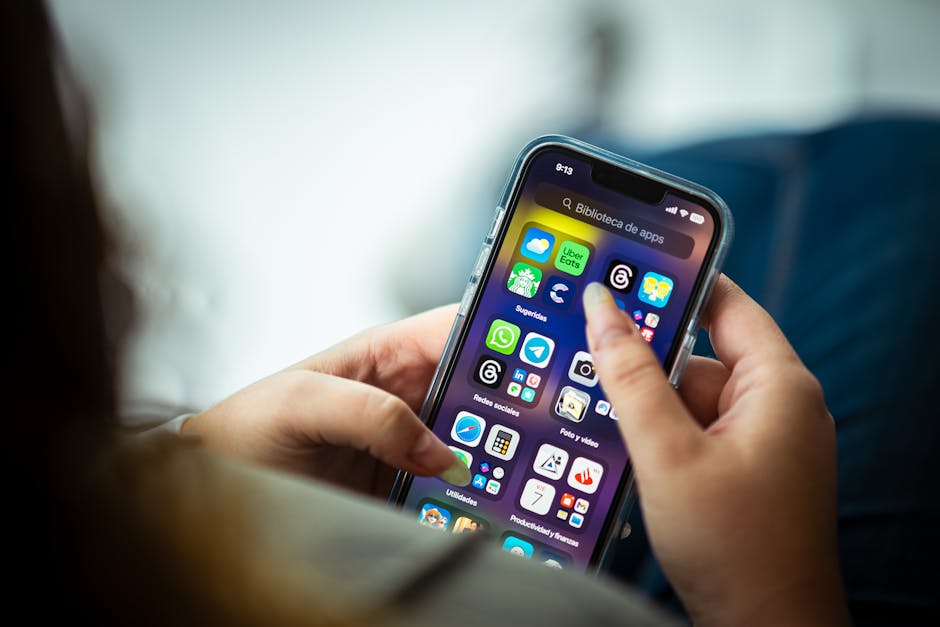
- User agency matters: The ability for users to “install” web clips manually without developer intervention gave immediate delight even with limitations.
- Appearance counts: Custom icons provided a sense of ownership and polish that blurred lines between web and native.
- Launch context is key: Opening a web clip in its own window without browser UI helped users focus on the content and feel like they were in an app.
- Deeper functionality requires manifests and service workers: The new web standards layered on top of this foundation show that the web’s app-like future depends on richer metadata and offline tooling.
Apple’s early iPhone OS 1.1.3 Web Clips were a proof point that the browser can deliver a lightweight, installable experience — a concept that resonates more strongly than ever in 2024 with the rise of PWAs and browser-first services.
Summary Table: iPhone OS 1.1.3 Web Clips vs Modern PWAs
Feature iPhone OS 1.1.3 Web Clips (Safari 26) Modern PWAs Installation method User manually adds to Home Screen Prompted via browser UI, Auto-detection of manifest Requires manifest.json No Yes Service Worker support No Yes App-like launch behavior Yes, opens in standalone window without browser chrome Yes, controlled via manifestand accepted install prompt Offline support No Yes Icon customization Via apple-touch-icon link tag Via manifest icons array and apple-touch-icon Push notifications No Yes (where supported)Final Thoughts
Apple’s release of iPhone OS 1.1.3 in January 2008 with Safari 26 and the introduction of Web Clips marked a watershed moment for the mobile web. It gave users their first taste of early Safari web apps that genuinely felt “app-like” without forcing a native install.
As someone who’s spent over a decade testing web apps on iPhone and iPad — maintaining folders of various home screen icons, poking at quirks, and reading every subtle UI change — I appreciate how that early simplicity paved the way for richer, more robust experiences powered by manifests and service workers today.
So the next time someone says, “It just works” when referring to installed web apps on iPhone home screens, ask them whether they know the history behind those icons, how Safari 26’s Web Clips set the precedent, and why manifests and Service Workers still matter robservatory for truly immersive app-like experiences.
In the evolving dialogue between Apple’s native ecosystem and the open web, it’s worth remembering that the home screen web clip was a small but strategic step toward making browser-first services feel genuinely “app-like” without waiting in line for the App Store.