How Should a Wallet Explain Network Fees in Plain English?
As the world increasingly embraces cryptocurrencies, one of the biggest hurdles in mainstream adoption isn't technology—it's understanding. Network fees, often hardware wallet setup called “gas fees,” are a consistent source of confusion and frustration for new and seasoned users alike. Wallet apps, exchanges, and other crypto platforms like The Coin Republic and MrQ face the challenge of explaining these fees clearly while balancing usability, trust, and security.
In this post, we’ll explore why gas fee explanation matters, how transparent fee estimate features can improve cost transparency, and offer actionable UX tips that can make or break the onboarding flow for crypto wallets. We will also discuss wallet safety versus usability and how to build trust and transparency, supported by insights from The Cybersecurity and Infrastructure Security Agency (CISA).
Why Network Fees Are a UX Bottleneck in Crypto Adoption
Network fees are fundamental charges paid to blockchain miners or validators for processing transactions. Although technically necessary, these fees are an ongoing stumbling block from a user experience (UX) perspective. Let’s walk through why:
- Complexity for New Users: Most newcomers to crypto aren’t familiar with blockchain mechanics, so terms like “gas,” “network congestion,” or “priority fees” sound abstract and intimidating.
- Unpredictable Costs: Network fees fluctuate drastically with market conditions. This variability confuses users when they don’t receive clear real-time fee estimates upfront.
- Perceived Hidden Costs: If wallets and exchanges aren’t transparent about fees, users may feel they are being "nickel-and-dimed," eroding trust.
These factors create significant onboarding friction. According to research from The Coin Republic, nearly 30% of new wallet users abandon transactions due to confusing or unexpected fees.
How Crypto Wallets and Exchanges Can Improve Fee Communication
Blind spots in explaining fees become major usability bottlenecks. To overcome this, wallets and exchanges need to craft plain English guidance rooted in cost transparency and clear UI signals.
1. Use Simple Language and Contextual Help
Instead of jargon-heavy language, smart wallets adopt a conversational tone:
- “Gas fee” is the cost to get your transaction included on the blockchain. Think of it as a tip for the miners who process your payment.
- Your fee adjusts depending on how busy the network is. Higher fees mean faster transactions.
Alongside concise explanations, tooltip icons or expandable FAQ sections can provide additional depth without overwhelming users up front.
2. Provide Real-Time Fee Estimates
A dynamic fee estimate that updates based on current network conditions reduces uncertainty and anxiety. For example, showing a fee range with estimated transaction times helps users decide between speed and cost:
Speed Estimated Fee Approximate Confirmation Time Fast $3.50 ~30 seconds Standard $1.80 ~5 minutes Low $0.50 ~30 minutesMrQ has integrated similar functionality in their exchange UI, empowering users with contextually relevant fee choice and transparency.
3. Visualize Fees Within Transaction Flows
Show fees as a line item within the transaction summary rather than burying them in fine print or separate pages. Clear labeling—such as “Network Fee” or “Blockchain Processing Fee”—and including a total amount payable improves comprehension.
Balancing Wallet Safety Versus Usability
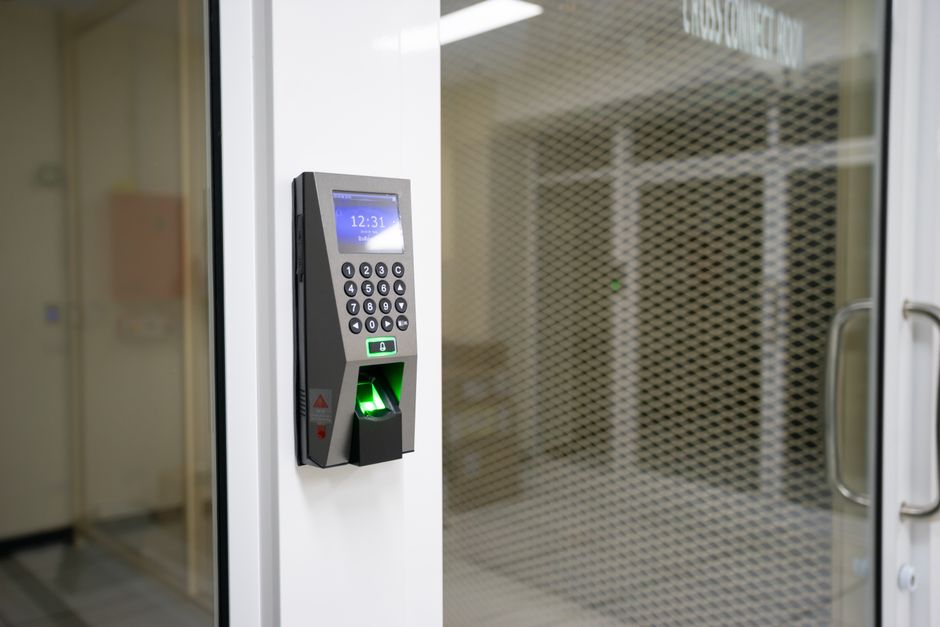
While striving to simplify fee explanations and workflows, wallet developers must not compromise safety. According to guidance from the Cybersecurity and Infrastructure Security Agency (CISA), education about risks and security is as critical as ease of use.
- Security prompts: Warn users before signing transactions that include unusually high fees or suspicious activity.
- Prevent accidental overspending: Implement safeguards like transaction limits or confirmational prompts tailored to fee spikes.
- Educate on fee-related scams: Some malicious actors exploit network fee complexities to trick users into paying exorbitant amounts.
Integrating security messaging naturally within onboarding and error states builds confidence without creating cognitive overload.
Trust and Transparency: The Pillars of Adoption
At its core, trust drives willingness to adopt any financial product. Wallets, exchanges, and platforms have a responsibility to be open and transparent about network fees:
- Explain why fees exist: Help users see fees as an essential part of blockchain mechanics, not a hidden cost.
- Show how fees are calculated: Simplified algorithms or visual breakdowns enhance perceived fairness.
- Disclose platform-added fees: If the wallet or exchange adds a markup, be upfront.
- Update users proactively: Notify them in advance about network congestion or fee surges.
The Coin Republic has championed best practices and educative content to empower users worldwide, while MrQ leads by example with easy fee visibility and user choices on its platform.
Designing Fee Explanations: Key Recommendations for Wallet Makers
- Start With the User’s Perspective: Walk new users through what fees mean for their specific transactions.
- Leverage Progressive Disclosure: Show high-level info first, offer more detailed explanations when requested.
- Utilize Visual Aids: Use sliders, color codes, and tables to represent fee options clearly.
- Incorporate Real-Time Data: Sync fee estimates with live blockchain conditions to maintain accuracy.
- Provide Immediate Feedback: Confirm when fee selections change transaction speed or confirmation times.
- Balance Safety and Ease-of-Use: Inform about risks and confirm unusual actions without disrupting flow.
- Build Trust Through Transparency: Be open about how fees work and any additional charges.
Conclusion
Network fees are a fundamental but often misunderstood part of the crypto experience. By explaining gas fees in plain English, offering real-time fee estimates, and maintaining clear cost transparency, wallets and exchanges can significantly reduce adoption friction. Balancing ease of use with safety, and fostering trust via transparency, will position wallet apps and crypto platforms for broader acceptance by mainstream users.
As highlighted by thought leaders like The Coin Republic and MrQ, and guided by security expertise from agencies like CISA, creating intuitive and trustworthy fee explanations is no longer optional—it's an imperative for the next generation of crypto applications.